How Do Car Loan Brokers Actually Work? (An Easy Guide)
Buying a car is exciting, but navigating the world of car finance can feel overwhelming. You've got options like going directly to your bank, using dealership finance, or perhaps you've heard about using a car loan broker. But what exactly do they do, and how does it all work?
If you're scratching your head about car loan brokers, you're not alone. This easy guide aims to demystify their role and explain their process in simple terms, helping you decide if using one is the right move for your next vehicle purchase.
What Exactly IS a Car Loan Broker?
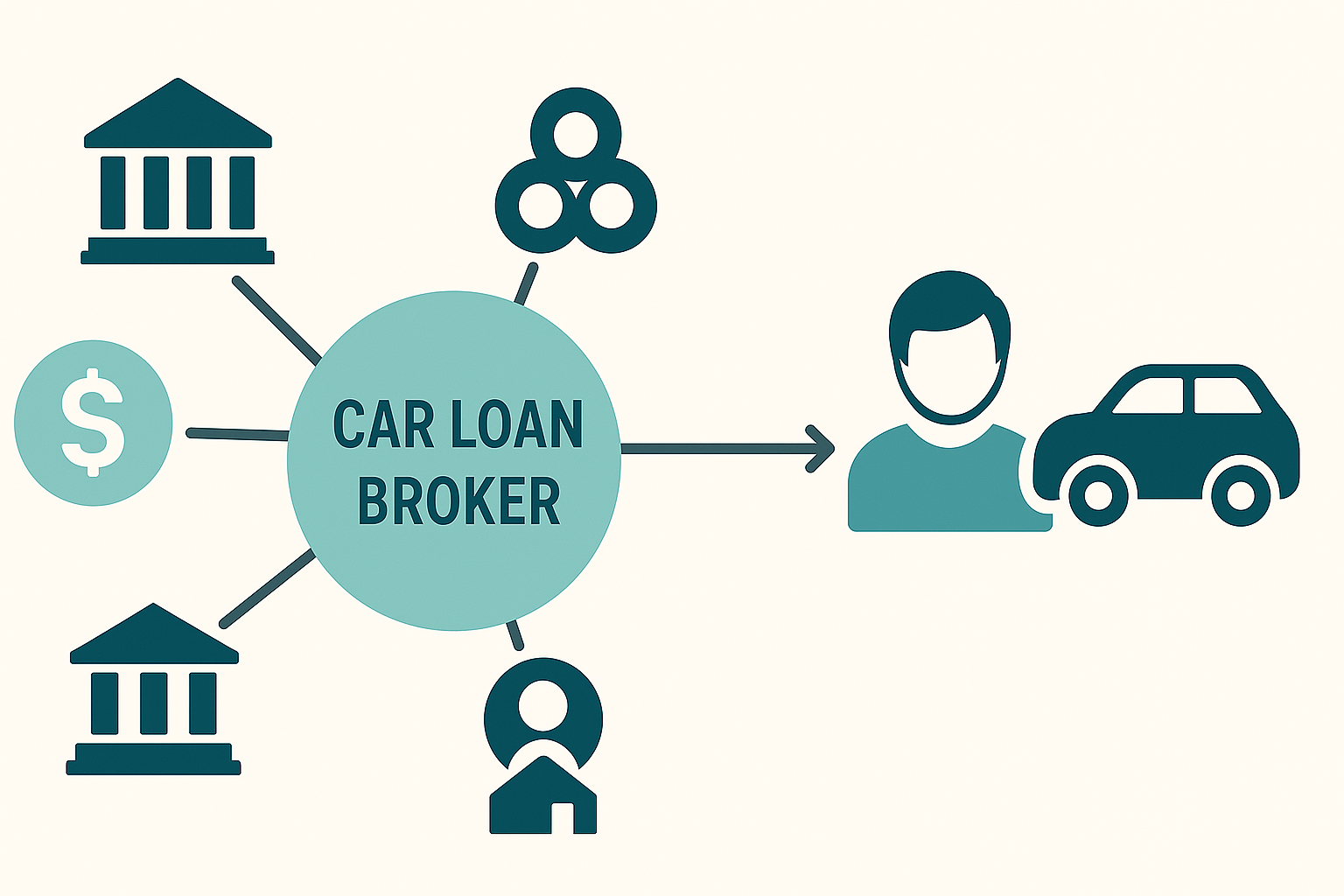
Think of a car loan broker as a middle-person or an intermediary between you (the borrower) and various lenders (like banks, credit unions, and specialist finance companies).
Crucially, brokers don't lend you the money themselves. Their job is to help you find and arrange a loan from one of the lenders they work with.
Analogy: It's similar to use a travel agent to compare flights and hotels from different airlines and chains, or a mortgage broker when buying a house. They shop around on your behalf.
The Broker's Main Job: Comparing Loans
The core function of a car loan broker is to compare loan options from multiple lenders. Most brokers have established relationships with a group of lenders, often called their "lender panel." This panel can range from a handful to dozens of different financial institutions.
Instead of you applying individually to each bank or lender, the broker uses their knowledge and access to:
- Understand your financial situation and needs.
- Identify suitable lenders and loan products from their panel.
- Help you compare the features, interest rates, and fees of those options.
How the Process Typically Works (Step-by-Step)
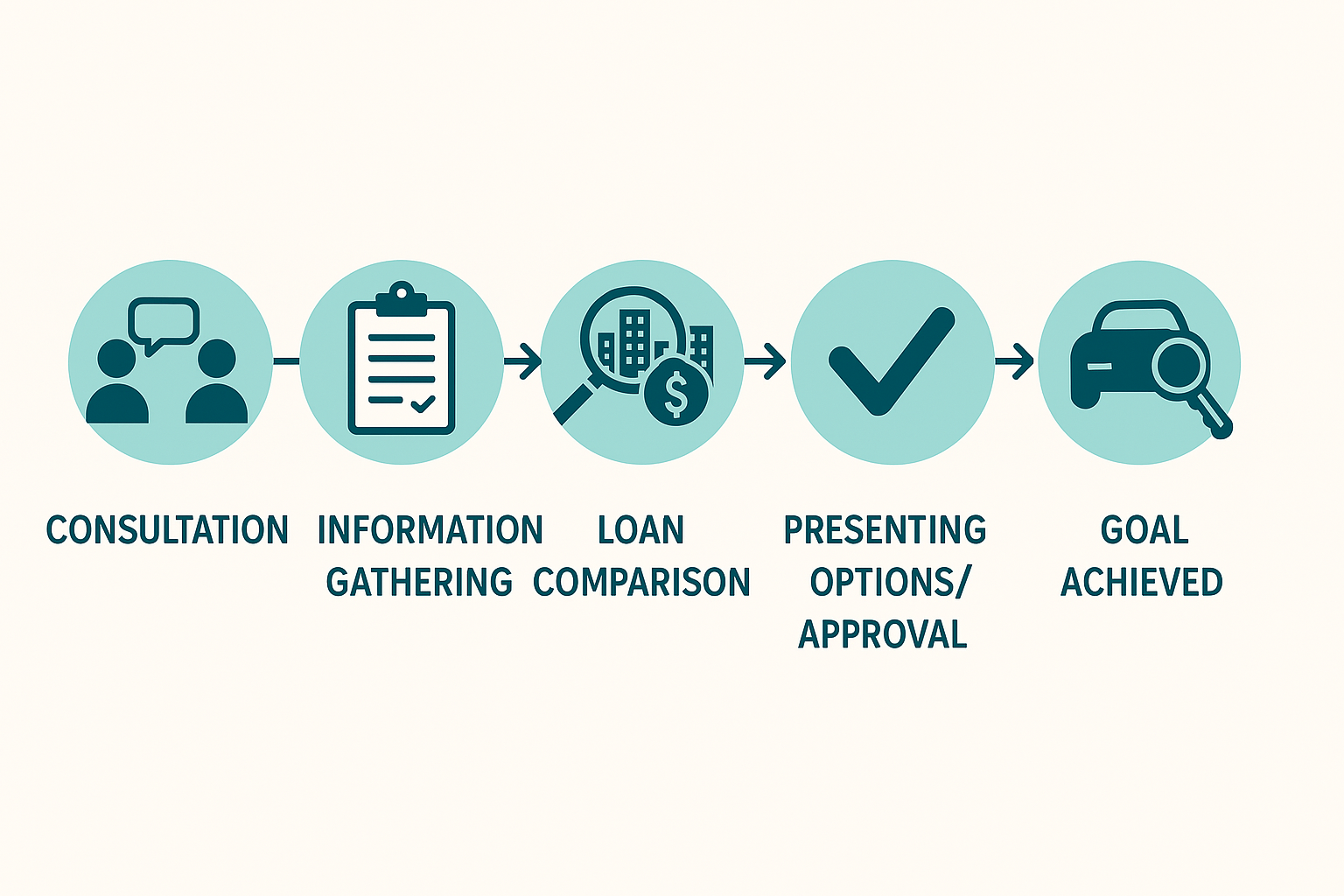
While the exact process can vary slightly between brokers, here's a typical flow:
- Initial Consultation: You'll have a chat with the broker about what you're looking for – the type of car, how much you want to borrow, your budget, and your financial circumstances (income, expenses, credit history).
- Information Gathering: The broker will need to collect necessary information and documents from you. This usually includes proof of identity, proof of income (payslips, tax returns), bank statements, and details about your assets and liabilities.
- Application & Lender Comparison: Based on your information, the broker assesses your borrowing capacity and identifies suitable lenders on their panel. They may submit inquiries or applications to several lenders on your behalf to find competitive offers.
- Presenting Options: Once the broker receives responses from lenders (like pre-approvals or indicative offers), they will present the most suitable loan options back to you. They should explain the key details of each option, including the interest rate, fees, repayment amount, and loan term.
- Your Decision: You review the options presented by the broker and decide which loan (if any) best suits your needs and budget. You are not obligated to accept any offer the broker finds.
- Finalising the Loan: If you choose to proceed with an option, the broker will typically assist you with the final loan application paperwork and guide you through the process until the loan is approved and the funds are settled (paid out, often directly to the car seller or dealership).
How Do Car Loan Brokers Get Paid?
This is a really important question and one you should always feel comfortable asking! Transparency is key.
The most common way car loan brokers are paid is through a commission from the lender whose loan product you ultimately choose.
- How it works: The lender pays the broker a fee (usually a percentage of the loan amount) for bringing them a new customer and facilitating the loan.
- Does it cost you directly? In most cases, this commission is paid by the lender and is not an extra fee charged directly to you, the borrower. The cost is essentially built into the lender's operating model.
However, it's worth noting:
- Potential for Borrower Fees: Some brokers might charge a direct fee to the borrower, especially for particularly complex applications or if they are providing additional services. This is less common for standard car loans but is possible.
- ALWAYS ASK! Regardless of the typical model, you should always ask any broker you consider working with to clearly explain how they are compensated and if there are any fees you will be charged directly. Reputable brokers will be upfront about this.
Why Use a Broker? The Benefits (Pros)
Using a car loan broker can offer several advantages:
- ✅ Saves Time & Effort: Instead of you researching and applying to multiple lenders, the broker does the legwork.
- ✅ Access to More Lenders: Brokers often work with lenders you might not approach directly, including specialist non-bank lenders, potentially increasing your options.
- ✅ Expertise & Guidance: Brokers understand the lending market, different loan products, and lender criteria. They can guide you through the process and explain complex terms.
- ✅ Potentially Competitive Rates: By comparing multiple lenders, brokers can often find competitive interest rates and loan packages you might not find yourself.
- ✅ Help with Complex Situations: Brokers can be particularly helpful if you have unique circumstances (e.g., self-employed, casual income, less-than-perfect credit) as they know which lenders are more likely to consider your application.
Are There Downsides? (Cons & Considerations)
While brokers offer benefits, there are also things to keep in mind:
- ❌ Not Always the Absolute Cheapest: While brokers aim for competitive rates, a bank might occasionally run a special direct-only offer that a broker can't access. It's still worth comparing.
- ❌ Potential for Bias: Brokers are paid by lenders, which could theoretically create a bias towards lenders paying higher commissions. However, regulations in Australia (like Best Interests Duty for mortgage brokers, with similar principles often applied ethically in asset finance) require brokers to act in your best interests. Still, it's good to be aware of the payment structure.
- ❌ Possibility of Fees: As mentioned, while uncommon for standard loans, some brokers might charge a fee. Always clarify this upfront.
- ❌ Broker Quality Varies: Like any profession, the experience and quality of service can differ between brokers. Doing some research and reading reviews is important.
Broker vs. Going Direct to a Bank: Key Difference
The main difference lies in the range of choice:
- Broker: Compares options from multiple lenders on their panel.
- Bank/Direct Lender: Can only offer you their own loan products.
Going direct might be simpler if you have a strong relationship with your bank and are happy with their offer. Using a broker is generally better if you want to compare a wider range of options or need help navigating the process.
Conclusion: Is a Broker Right for You?
Car loan brokers act as intermediaries, leveraging their lender network and expertise to help you compare and secure vehicle finance. They can save you time, potentially find competitive deals, and offer guidance, especially if your situation is complex. The most common payment method is via commission from the lender, but it's crucial to ask about any potential fees.
Understanding how they work – their process, payment structure, pros, and cons – empowers you to make an informed decision. Weigh the benefits of convenience and choice against the need to do your due diligence and ensure transparency. Now that you know how car loan brokers actually work, you can better decide if using one aligns with your needs for your next car purchase journey.
What's Next?
- Decided to explore brokers? You might find our guide on the Top 10 Car Loan Brokers in Adelaide helpful.
- Want to understand loan costs better? Use our Car Loan Payment Calculator to estimate repayments.
Do you have more questions about car loan brokers? Share them in the comments below!